Step into a rich tapestry of local history where every site tells a unique story, from elegant historic homes and pioneering trails to remarkable feats of engineering and intriguing tales of the past. These carefully preserved landmarks offer a window into the lives, innovations, and journeys that shaped the region, inviting visitors of all ages to explore, learn, and connect with our shared heritage.
August Beresheim House
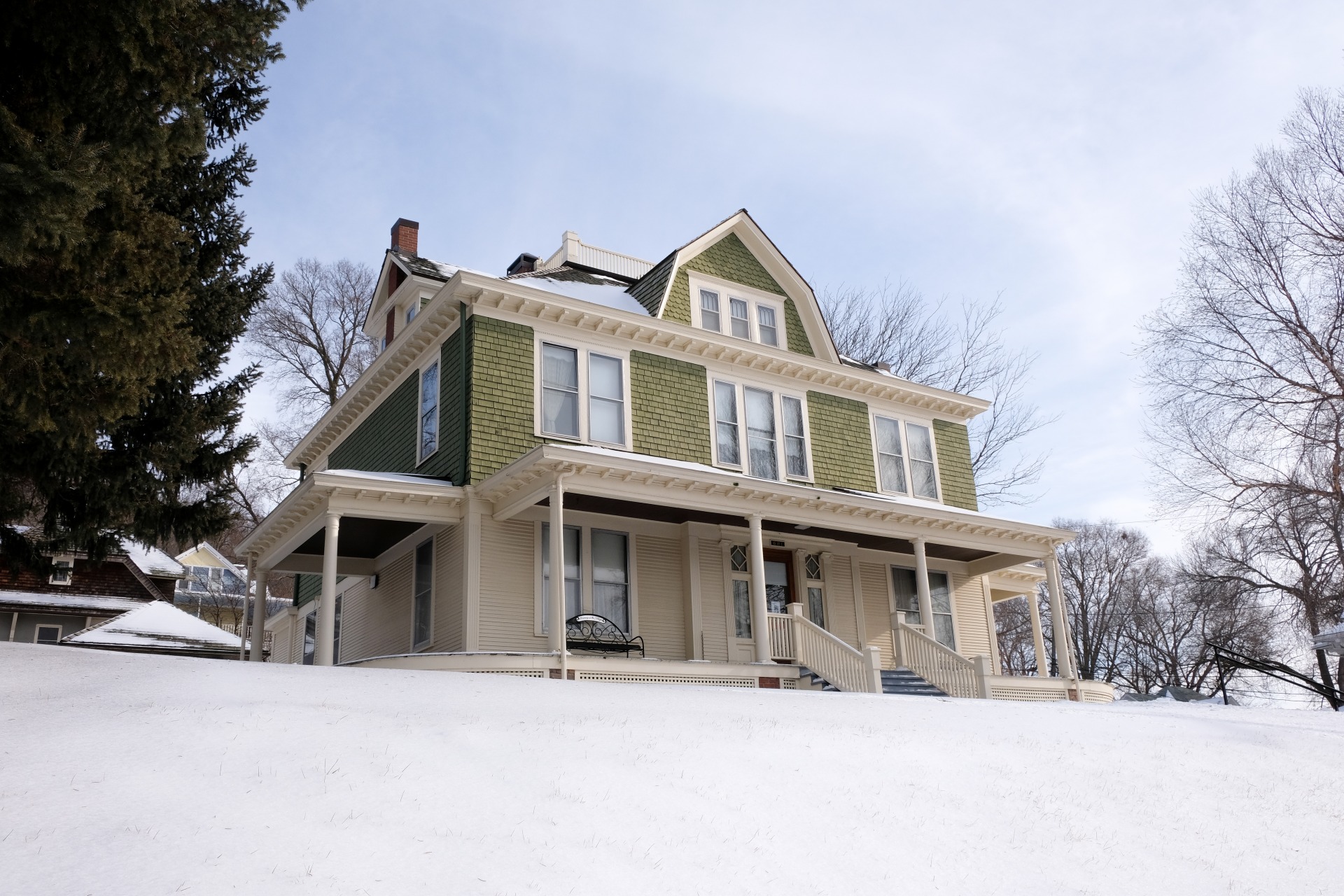
Built in 1899 for banker and state legislator August Beresheim, this beautifully preserved home offers a glimpse into turn-of-the-century elegance. Now part of the Dodge Museum Complex, it features unique exhibits like an intricate glass collection and personal artifacts from the Beresheim family.
Bregant House
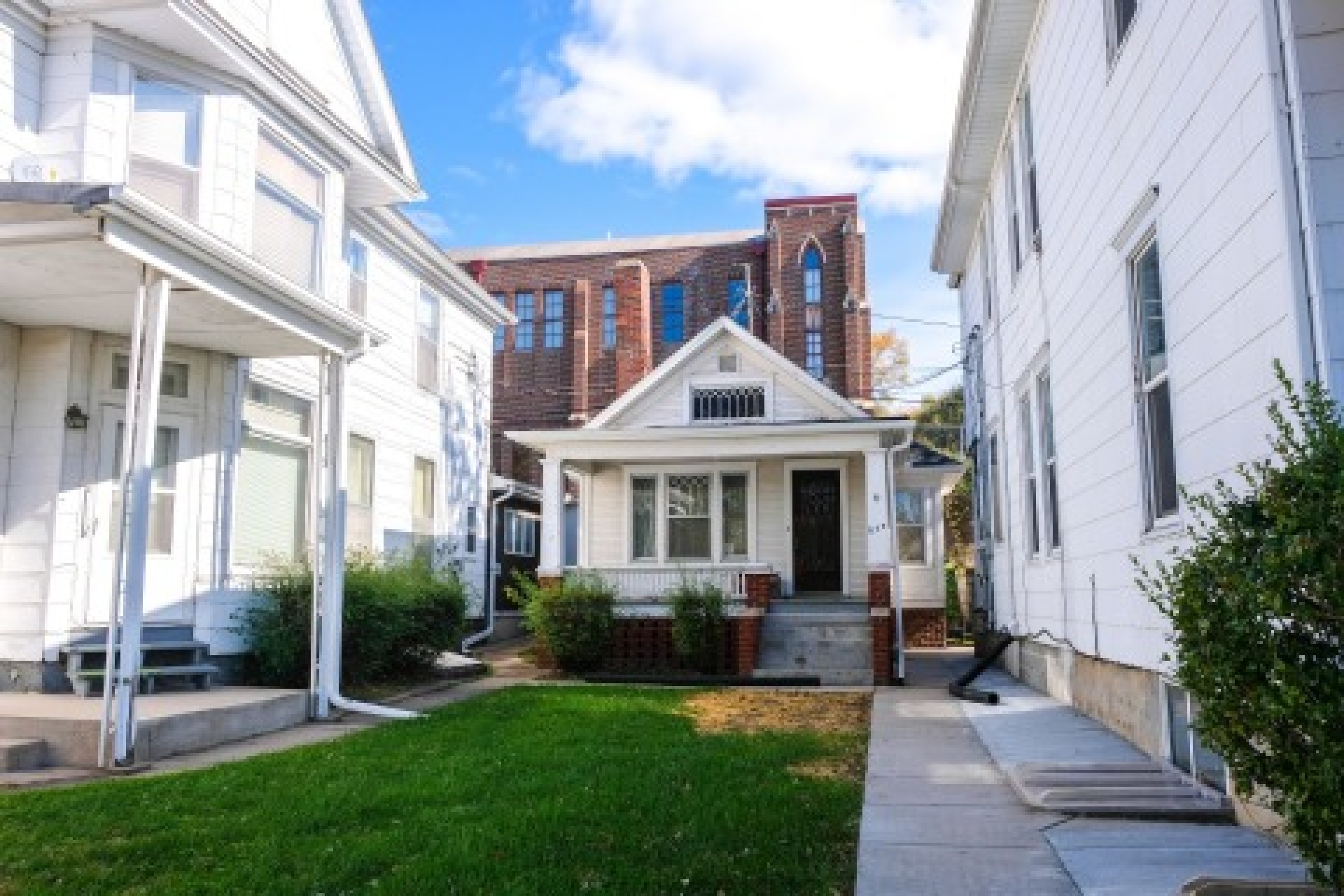
Affectionately known as the “Little People’s House,” the Bregant House was built in 1912 for Vaudeville performers Jean and Inez Bregant. Designed to suit their petite statures, the home includes custom features like lowered light switches, a waist-high fireplace mantle, and a four-foot clawfoot tub. Listed on the National Historic Register, this one-of-a-kind home is currently undergoing restoration efforts. Visitors can tour the house Friday through Sunday by reserving a spot online.
California Gold Rush Trail Historic Site

California Gold Rush Trail Historic Site shares the story of the 1849 pioneers who traveled through Council Bluffs on their way to California. Drawn by the promise of gold and new opportunity, these hopeful travelers paused here before continuing their journey west during the famed Gold Rush era.
Fairview Cemetery
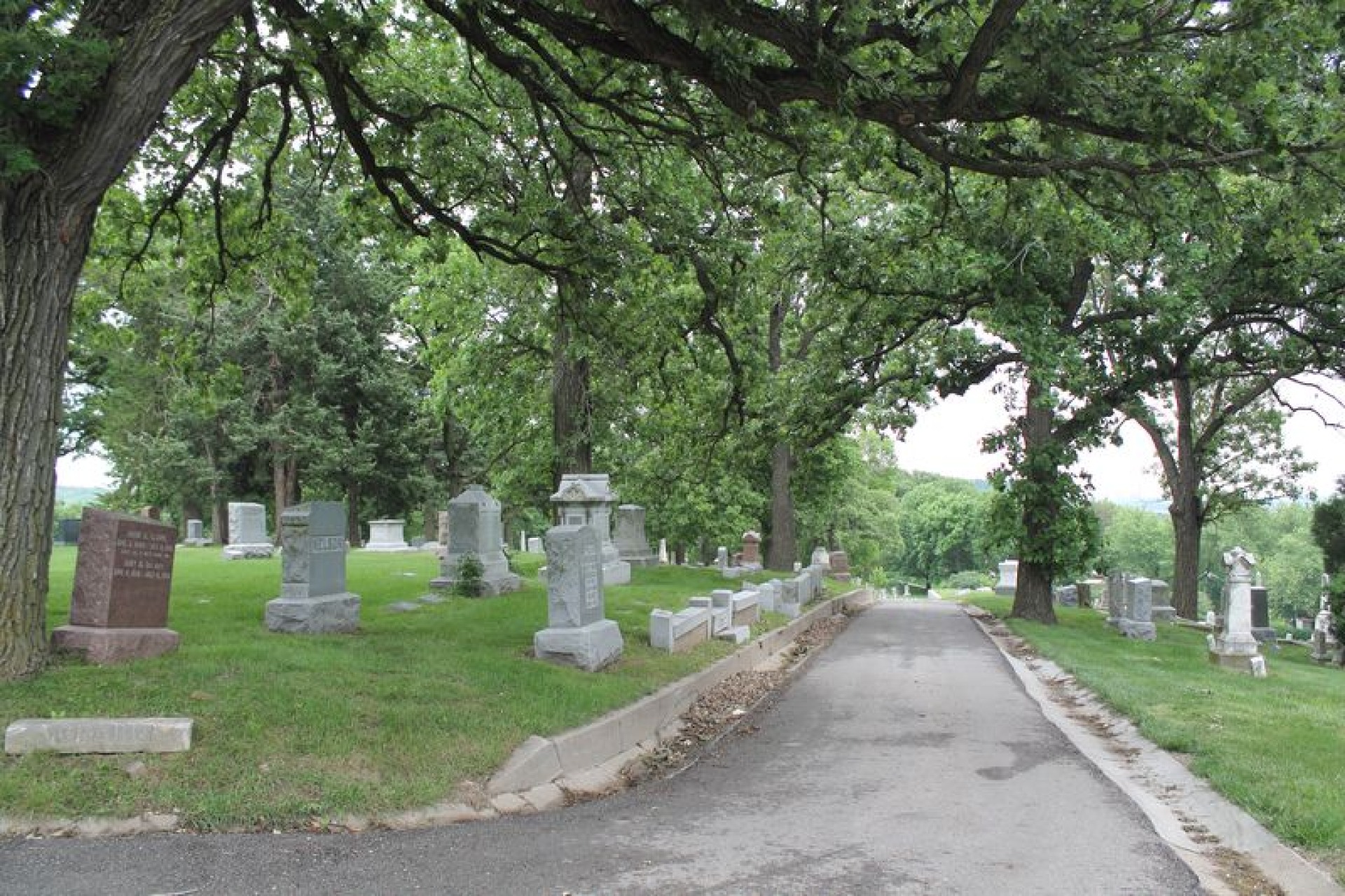
Dating back to 1826, Fairview Cemetery is the final resting place of early Mormon pioneers and notable figures such as Amelia Bloomer, a trailblazing suffragette known for popularizing “bloomers.” Visitors will also find the Kinsman War Memorial honoring fallen soldiers.
Frontier Heritage Library & Museum

Operated by the Pottawattamie County Genealogical Society, Frontier Heritage Library & Museum offers a treasure trove of local history and family research resources. It’s open to the public on Tuesdays with additional visits available by appointment.
Golden Spike Monument
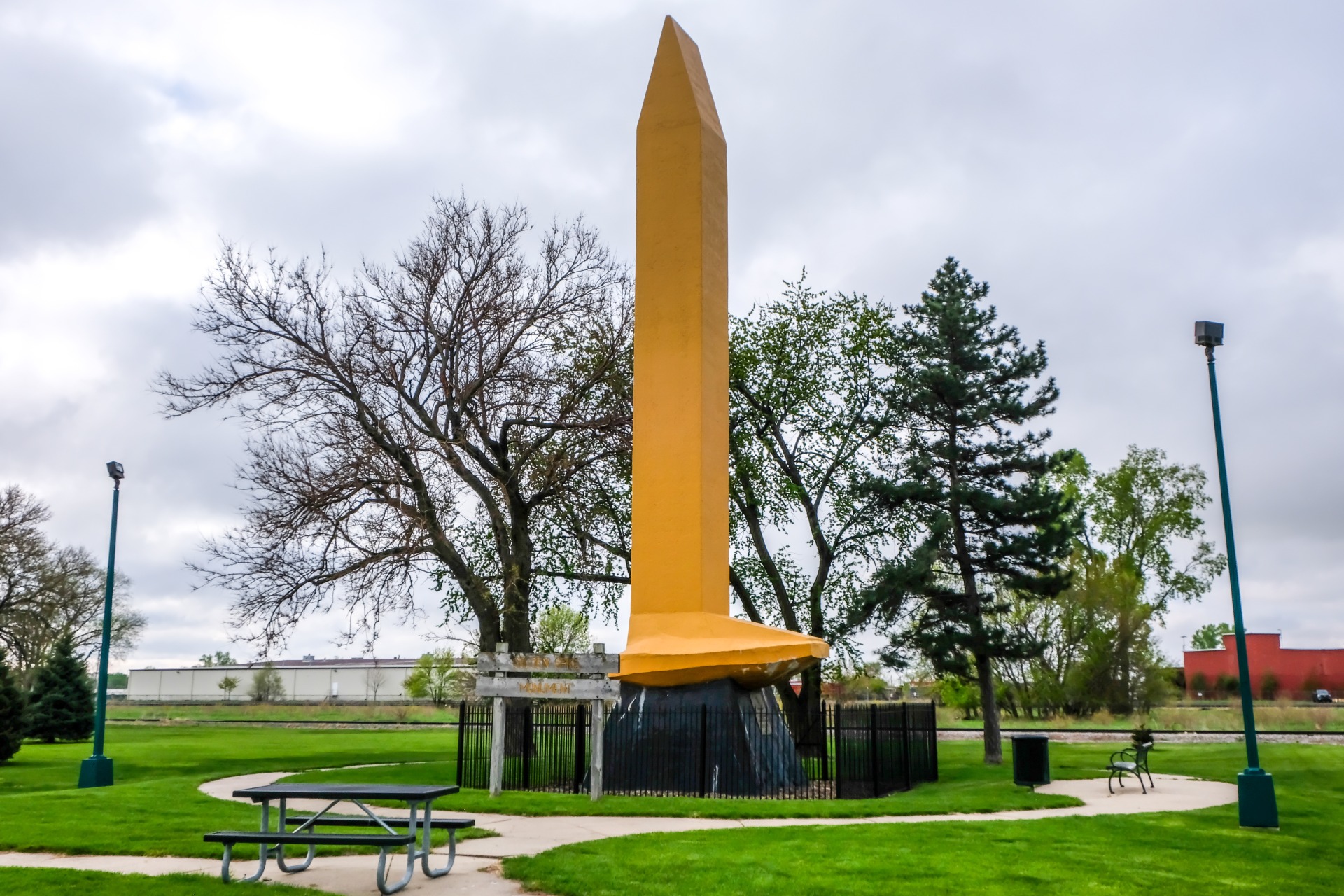
Standing 56 feet tall, the Golden Spike Monument was unveiled in 1939 during the premiere of the film Union Pacific. It honors the completion of the nation’s first transcontinental railroad, a milestone achieved on May 10, 1869.
Great Plains Wing Museum
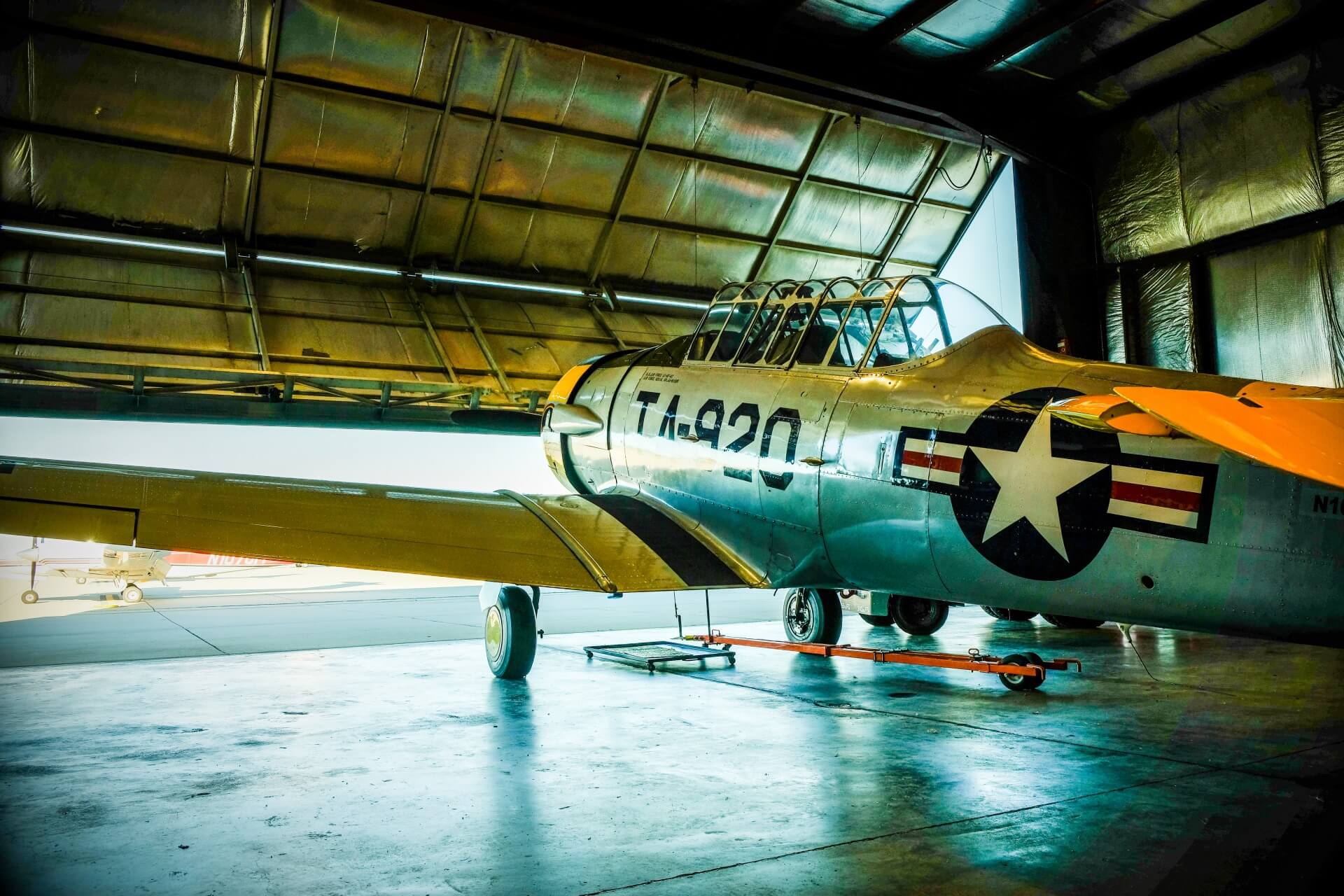
Housed inside the Council Bluffs Airport, the Great Plains Wing Museum showcases two fully operational World War II aircraft—the P-51D “The Gunfighter” and a T-6 Texan—alongside more than 1,200 military artifacts. Open Wednesdays, Saturdays, and by appointment, admission is free, with donations welcome.
Historic General Dodge House
Built in 1869, this grand three-story Victorian mansion "Historic General Dodge House" was the residence of General Grenville M. Dodge—Civil War veteran and renowned railroad builder. With 14 rooms and period-accurate furnishings, the home offers a glimpse into 19th-century elegance.
Historic Squirrel Cage Jail
Built in 1885, this rare three-story Victorian-Gothic brick jail is one of only three rotating jail blocks remaining in the country. Designed for maximum security with minimal staff, a jailer could rotate the pie-shaped cells using a hand crank to control inmate access. The Historic Squirrel Cage Jail operated continuously until 1969 and is rumored to be haunted. In 2023, it earned National Historic Landmark status, joining the Historic General Dodge House as one of the nation’s most significant heritage sites.
Kanesville Memorial

In 1846, a log tabernacle once stood near this Kanesville Memorial, where Brigham Young was sustained as president of the Church of Jesus Christ of Latter-day Saints. While both the original and the 1996 replica are gone, the area is now marked by plantings, walkways, sculptures, and interpretive signs. A nearby visitor center helps bring the history of this important Council Bluffs site to life.
Kinsman Monument
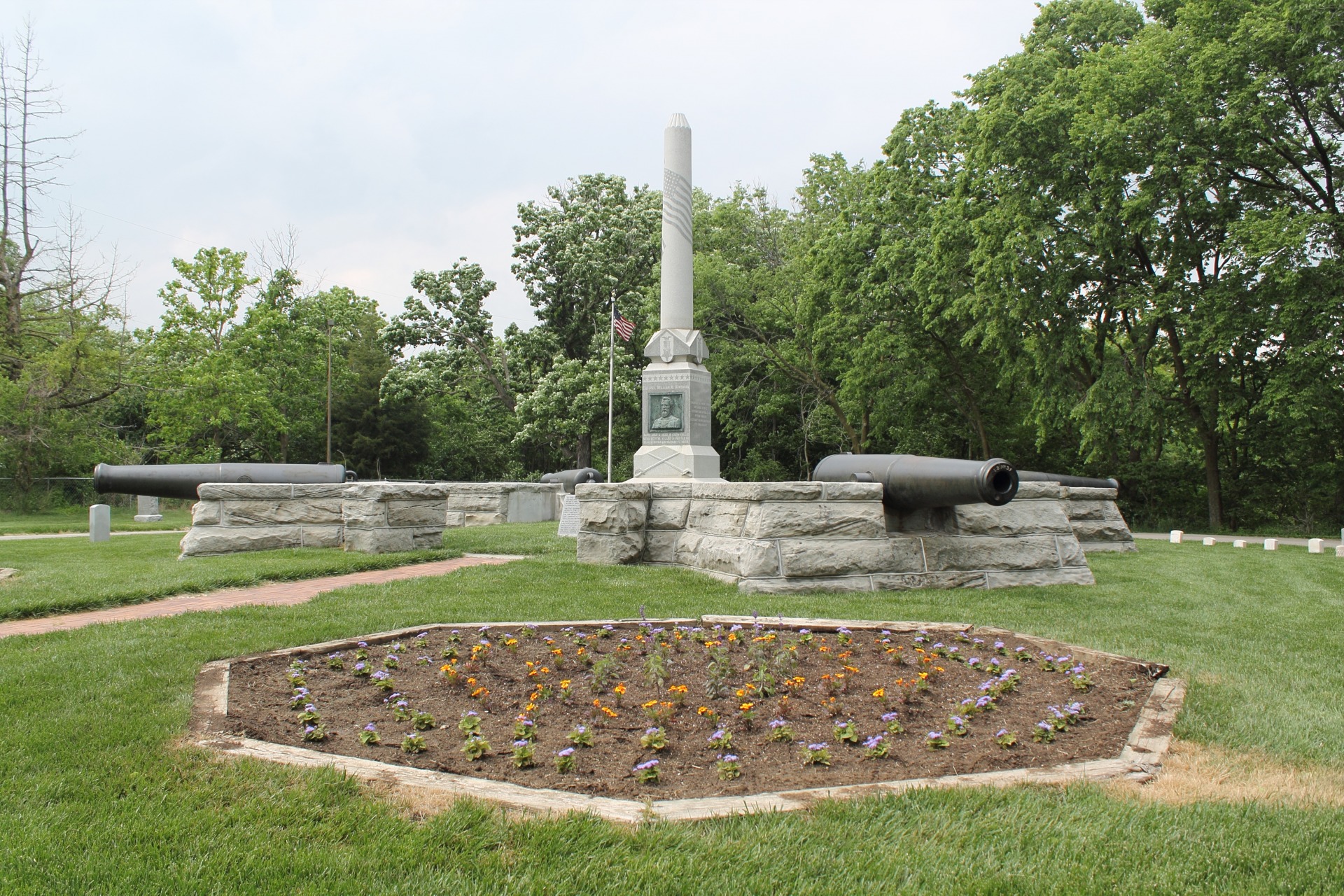
Kinsman Monument honors Colonel William Kinsman, leader of the 23rd Iowa Volunteer Infantry, along with all veterans who served during the Civil War.
Lewis & Clark Monument
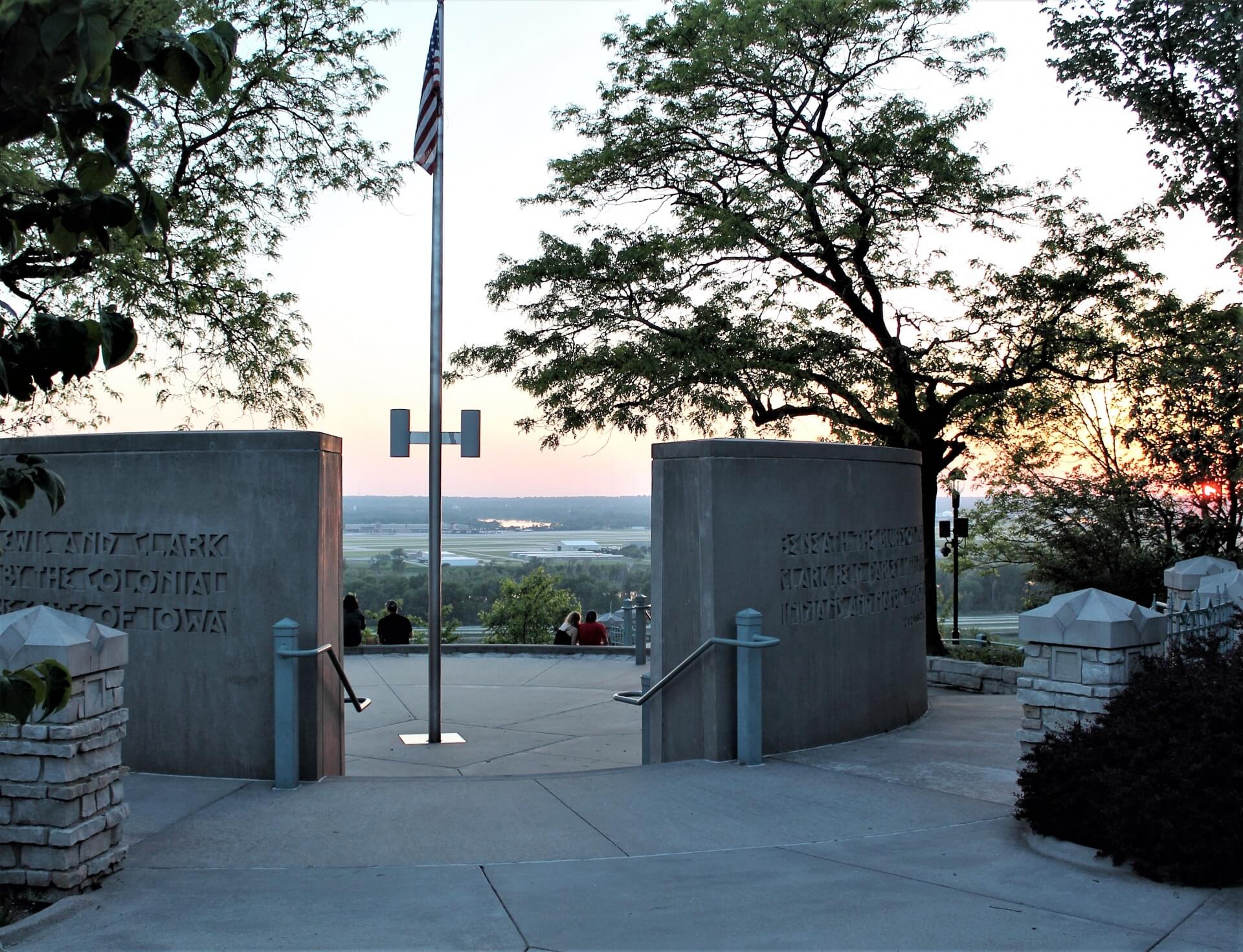
Located north of Big Lake Park, the Lewis & Clark Monument Scenic Overlook was dedicated in 1936 to commemorate the 1804 Lewis & Clark expedition and their meeting with Otoe and Missouri tribes. Nestled in the Loess Hills, it offers breathtaking views of the Missouri River, Council Bluffs, and the Omaha skyline. The area also features a popular mountain bike trail, with seasonal restrooms and picnic facilities available.
Lincoln Monument
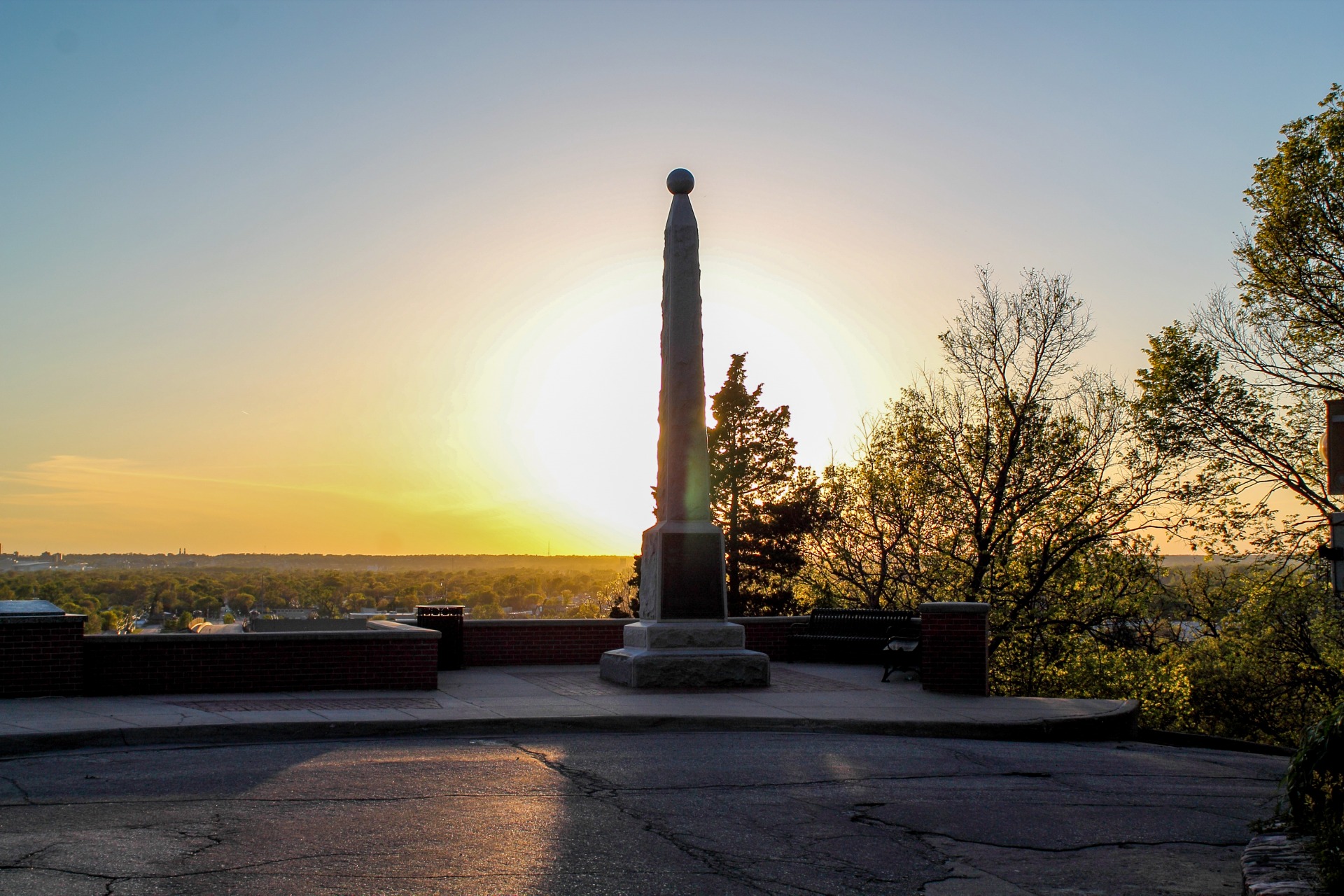
The Lincoln Monument, built in July 1911, marks the spot where Abraham Lincoln visited in 1859. From here, Lincoln and Grenville M. Dodge surveyed and chose the site for the eastern terminus of the nation’s first transcontinental railroad.
RailsWest History Museum
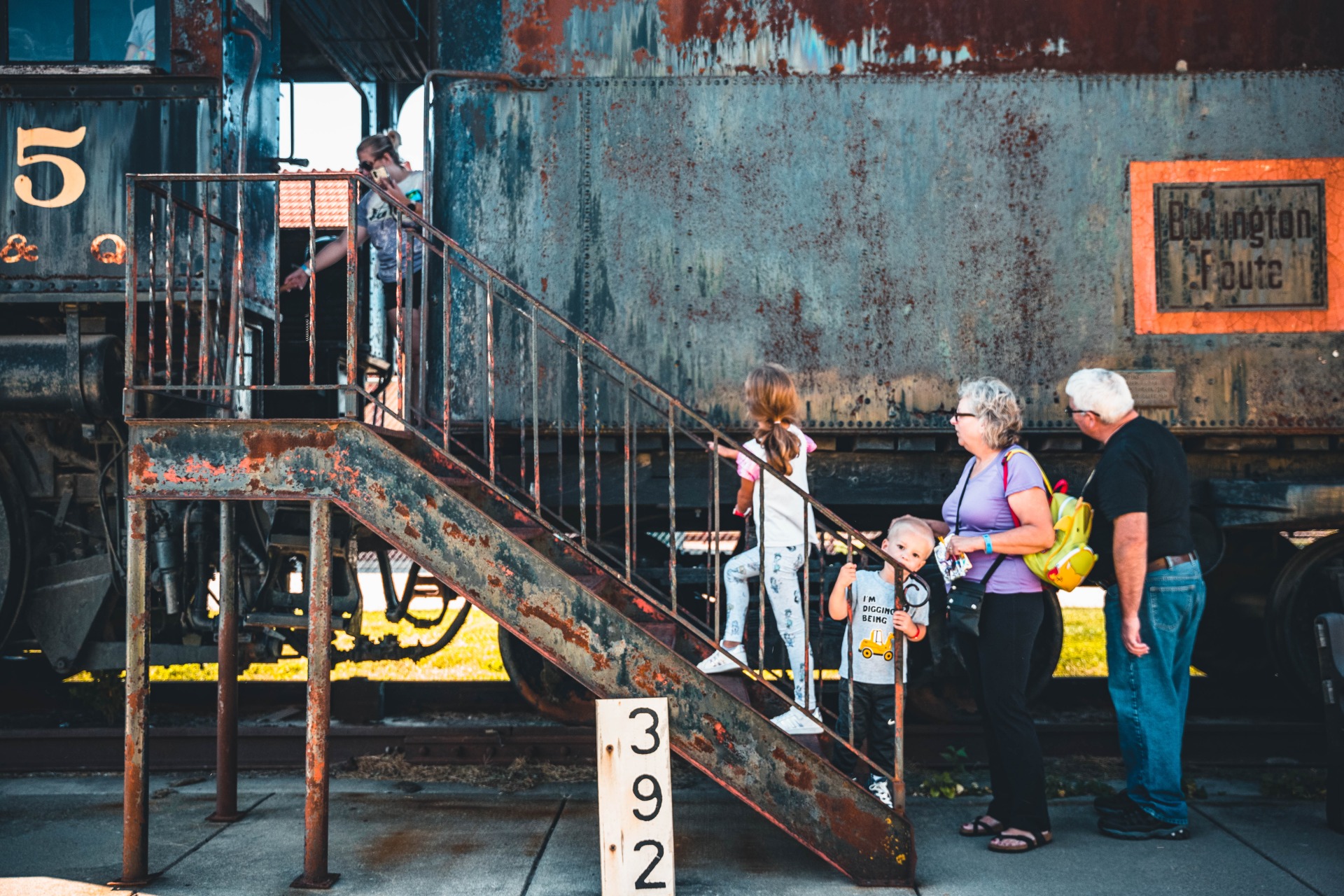
Step back in time at the RailsWest History Museum, the last passenger station in Council Bluffs. Originally built in 1869 and rebuilt in brick in 1899, the depot served multiple railroads from the 1930s through the 1970s. Passenger service ended in 1970, and all operations ceased by 1980. After years of vacancy, the Historical Society of Pottawattamie County leased the building in 1985. The depot earned a spot on the National Register of Historic Places in 1995.
Ruth Anne Dodge Memorial
Locally called the Black Angel Statue, (the Ruth Anne Dodge Memorial) was inspired by three visions experienced by General Grenville M. Dodge’s wife shortly before her passing in 1916. Sculpted by Daniel Chester French—the artist behind the seated Abraham Lincoln statue in Washington D.C.—the statue captures the angel from her vision.
Union Pacific Railroad Museum
The Union Pacific Railroad Museum is located in the historic 1903 Carnegie Library, a stunning Beaux Arts-style building. Its collection features photographs and documents that tell the story of the railroad’s impact on the American West. Visitors can experience the interactive "Building America" exhibit, explore the golden age of passenger rail, and discover 150 years of Union Pacific’s role in America’s growth.